
For Gary Giles, farming has always been about finding cattle that work – with the land, the system, and the people handling them. On his family farm in Fermanagh, Northern Ireland, Polled Hereford genetics have become a cornerstone of a low-input, highly efficient beef-on-dairy enterprise that delivers performance without compromise.
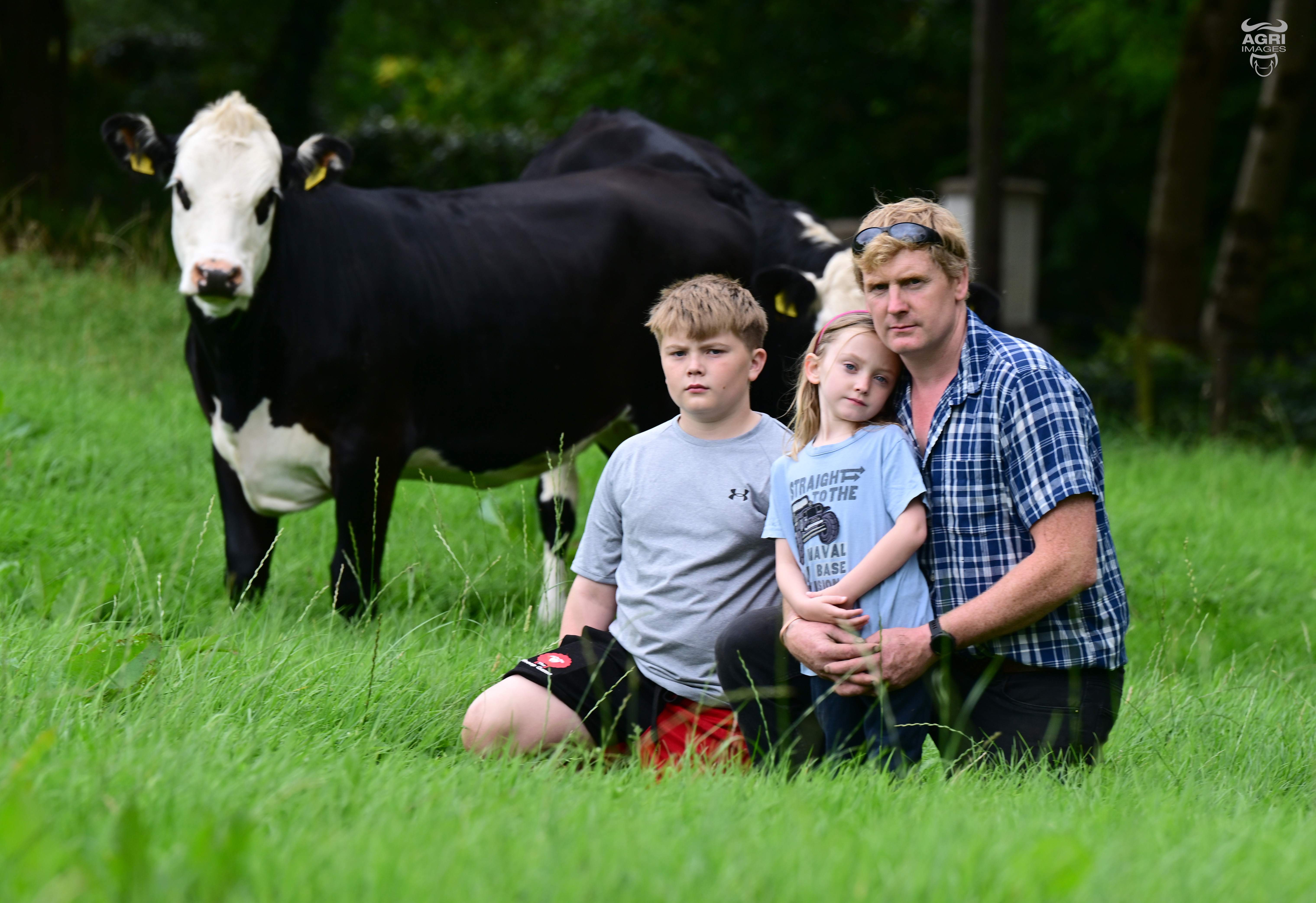
Gary farms in partnership with his wife and her parents on land that has a long dairy heritage. Although born into farming, Gary initially trained as an engineer. That practical, analytical mindset and industry experience has since shaped the way the business has developed.
In 2016, when Gary came into the partnership, the family took the opportunity to re-establish a dairy unit on the farm. While the holding had historically been dairy, in later years it had been run with suckler and dry cows only. Restarting milk production meant building numbers from scratch and doing so in a way that suited the farm.
Today, the herd comprises around 60 strong Holstein-type cows, averaging approximately 9,000 litres per cow. Gary currently supplies Tirlan on a high solids contract and these cows currently suit the system.
From the outset, Gary operated a flying herd. “We started as a flying herd,” he explains. “We bought all our replacements and served all the females to a Hereford bull. This enabled to get cow numbers up quickly.” That approach not only supported herd expansion but also laid the foundation for a complementary beef enterprise.
Historically continental bulls were used on the continental cows already on the farm. However, experience quickly highlighted the advantages of the Hereford breed. “Temperament was the first thing we noticed,” Gary says. “The docility of the Hereford made cattle much easier and safer to handle. On top of that, they flesh easily and finish well off grass and being polled is a massive labour advantage.”
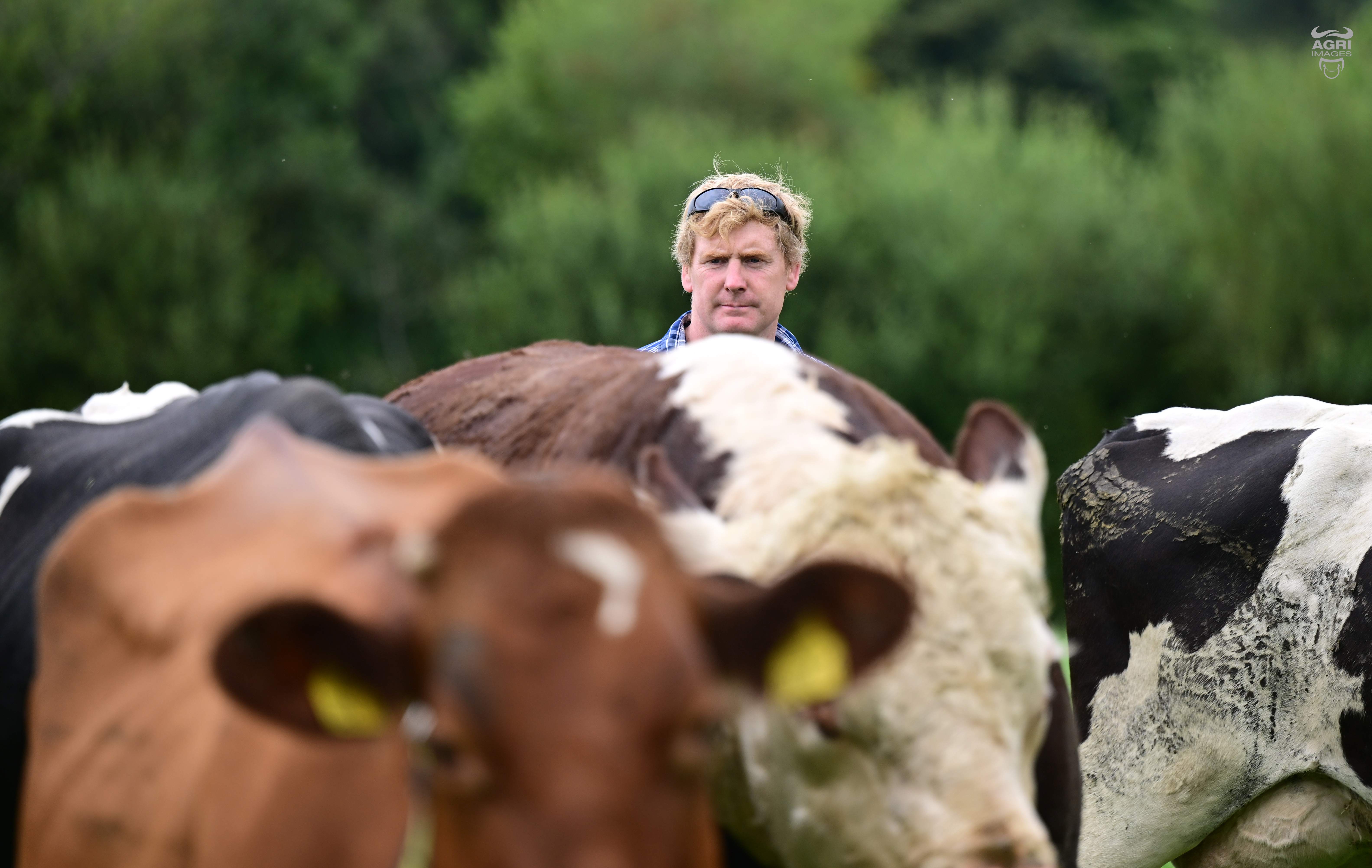
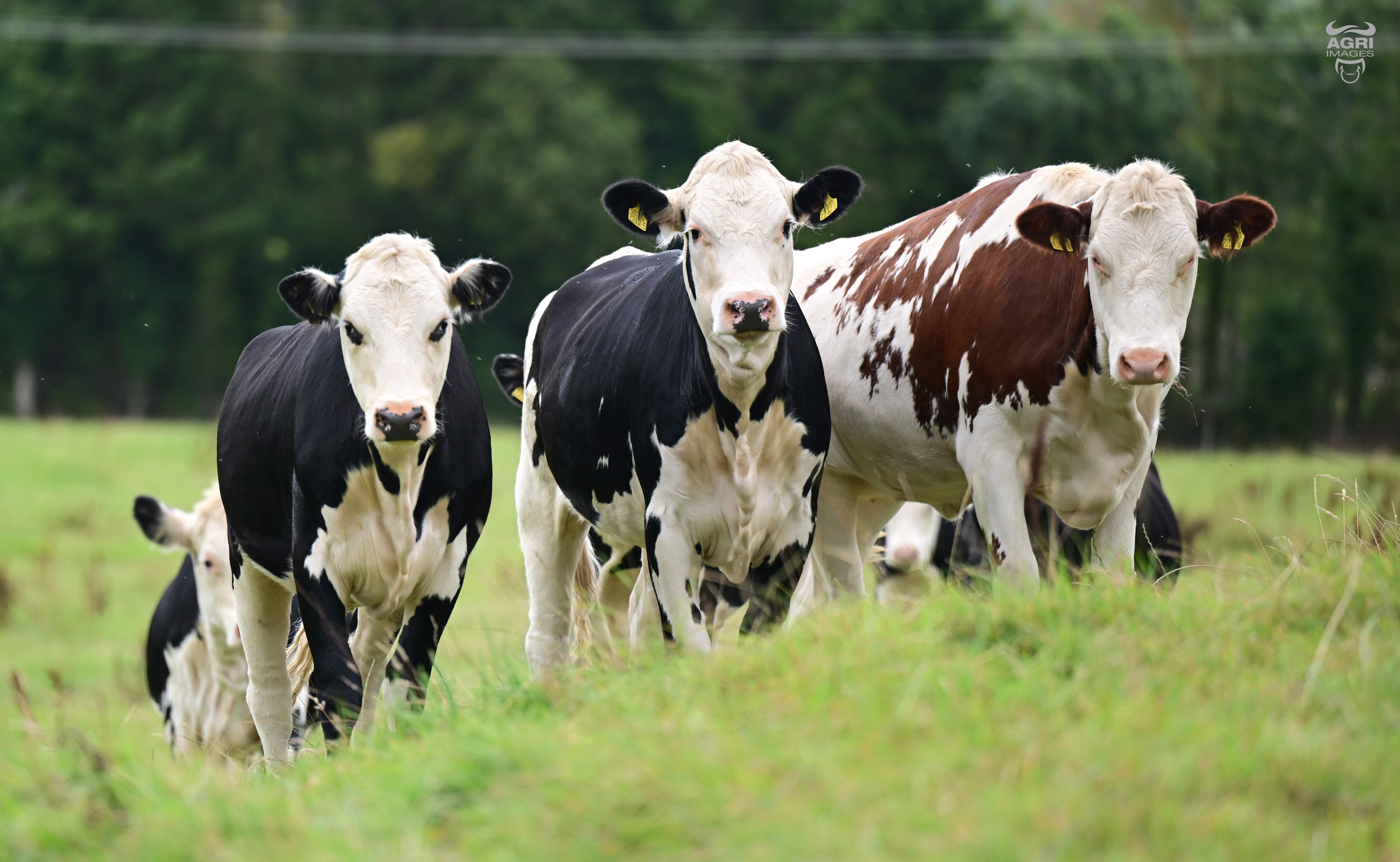
Today, Hereford bulls are used across the herd, producing calves ideally suited to Gary’s system and land type. A good-boned Hereford bull crossed on a Holstein-type dairy cow delivers calves that are vigorous at birth, quick to get up and suck, and straightforward to rear, an important consideration on a family-run farm.
“The calves are very lively and strong,” Gary explains. “They’re easy to manage from day one, which is a big advantage and no dehorning.”
That ease of management is especially valuable given the demands on the household. Gary’s wife Melanie rears all the calves alongside working full-time as a schoolteacher, while the couple raise three children aged Joseph aged12, Andrew aged 7 and Elizabeth aged 5. The calm temperament of the Hereford-cross cattle allows the whole family to be involved safely.
“The kids enjoy helping with the calves,” Gary says. “And when you’re moving Hereford cattle, there’s never a concern about them being wild. We genuinely enjoy working with them.”
Each year, approximately 50 Hereford-cross cattle are finished on the farm. Bulls are typically slaughtered at around 16 months of age, with heifers finished at approximately 20- 24 months. Average carcass weight is around 320 kilograms, allowing efficient production well suited for the beef carbon reduction scheme.
“There’s more to the Hereford breed than people sometimes give them credit for,” Gary notes. “They can kill out every bit as well as a continental, with a very good killing-out percentage. They reach early-maturing weights on a low-input system and grow exceptionally well-off grass.”
Grassland management underpins the entire system and significant emphasis is placed on timing of calving, beginning around September and continuing through to April, to fully exploit the spring grass flush. High-quality silage is made annually, with three cuts taken in most years and additional bales produced when growing conditions allow.
Clover is highly valued within the swards, contributing to both forage quality and nitrogen efficiency, but Gary stresses that good grassland management is about balance. Reseeding is carried out on a regular basis to maintain productive, high-performing leys capable of supporting both dairy and beef enterprises.
Dairy cows are fed a total mixed ration, while beef cattle receive a simpler system. Concentrates are fed alongside forage. It is a deliberately low-input approach that prioritises efficiency, grass utilisation, and home-grown forage.
Finishing all cattle on farm also brings important biosecurity benefits. “By rearing and finishing our own calves, we greatly reduce the risk of TB restrictions,” Gary explains. “It’s also one of the most sustainable ways to produce beef, low input, minimal movement, and taken to a local abattoir.”
For Gary, the Polled Hereford genetics breed fits perfectly into that vision. “They deliver everything we need – docility, efficiency, and reliable finishing ability,” he says. “In a beef-on-dairy system like ours, Herefords just work.”
This article originally appeared in Hereford Breed Journal 2026
Photo Credit: agriimages