
by Seth Wareing, General Manager
For generations, UK beef farmers have recognised the Hereford for its characteristically calm temperament. This quality has often been viewed as a welcome convenience, a trait that makes for easier days and safer handling. However, in an era of increasing pressure to enhance efficiency and manage with less labour, it is time to re-evaluate this quiet advantage. A placid disposition is far more than a simple management benefit; it is a critical driver of safety, operational efficiency, and, most importantly, profitability in modern beef production.
Hereford’s temperament is a significant economic asset. This trait directly translates into a safer working environment, streamlines day-to-day management, and delivers tangible financial returns. Moving beyond anecdotal appreciation, we will examine the hard data that connects a calm herd to improved performance, superior carcass quality, and better overall herd health, proving that good temperament is truly money in the bank.
Viewing temperament as a mere “convenience trait” is a strategic oversight. In today’s agricultural landscape, where skilled farm labour is increasingly scarce, a challenge felt acutely on UK farms navigating post-Brexit labour markets, a calm and manageable herd is a cornerstone of an efficient and sustainable operation. A docile group of cattle directly translates into a safer, lower stress working environment for operators, reducing the risk of accidents, and making daily tasks from sorting to transport less of a battle. This shift in perspective is not just about preference; it is about building a more resilient and secure farming enterprise.
Ensuring the safety of people is the biggest reason to improve temperament of cattle. Besides that, cattle with calmer temperament have better health, and better reproductive performance. This bridges the gap between the practical benefits of safer handling and quantifiable financial gains.
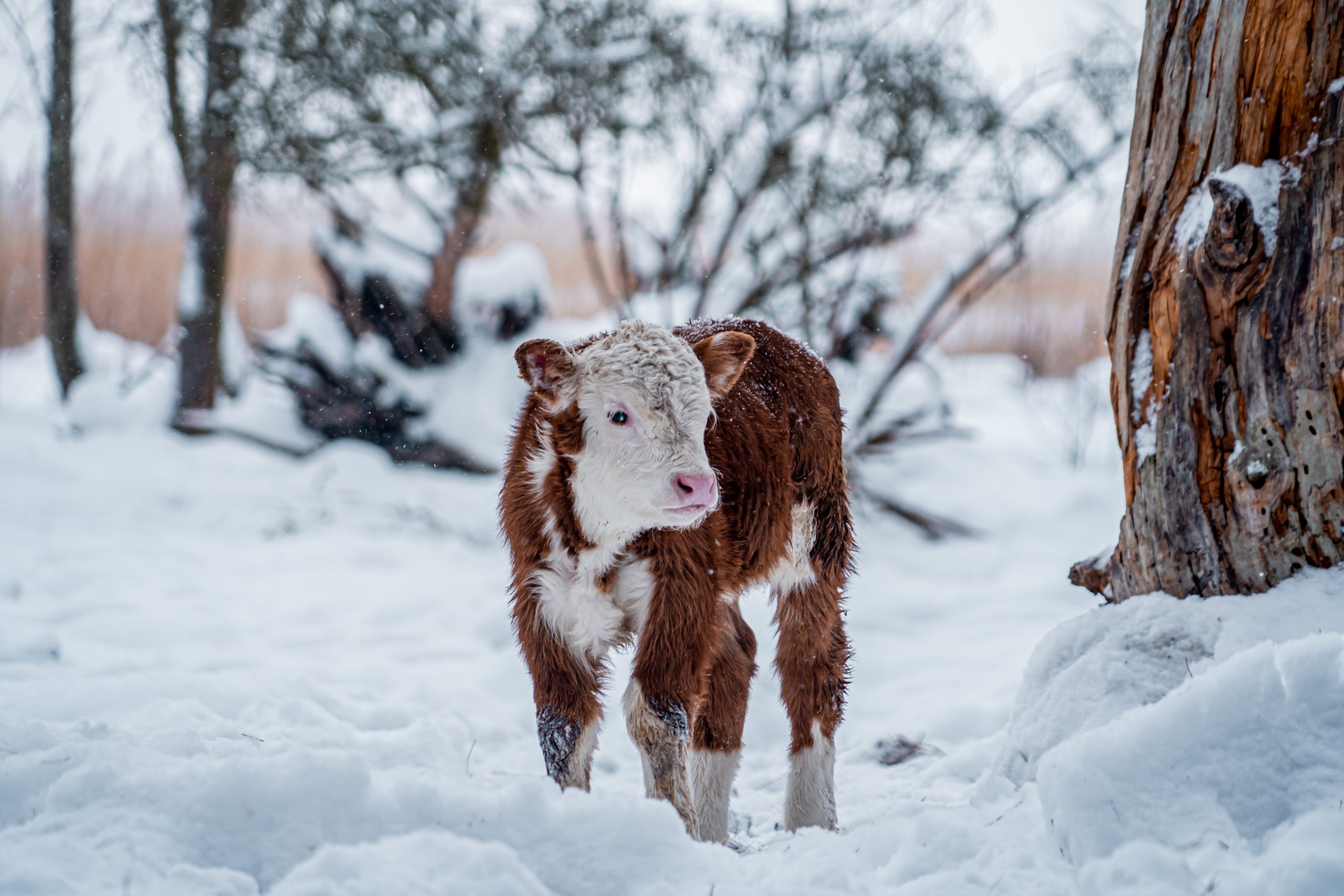
The connection between a calm temperament and a healthy balance sheet is not just circumstantial; it is substantiated by extensive research where tight margins are a constant reality for UK finishers. Data from large-scale studies reveals a clear and consistent pattern: docile cattle outperform their more aggressive counterparts at nearly every stage of production.
Data from the US an extensive Iowa Tri-County Steer Carcass Futurity, which tracked over 13,000 cattle, reveals a clear correlation between temperament and the key metrics that drive feedlot profitability. The study found that docile cattle recorded a higher Daily Liveweight Gain (DLWG), putting on 1.44kgs per day compared to just 1.32 kgs for aggressive animals. This superior weight gain was matched by better feed conversion, with docile cattle achieving a feed-to-gain ratio of 7.10, while their aggressive counterparts required more feed at a ratio of 7.23. Over a 90-day finishing period, that seemingly small DLWG difference amounts to an extra 10.6 kgs of weight per animal, while eating slightly less food. In today’s market could be worth an extra £35 per head.
For UK producers targeting premium retail schemes, carcass quality is crucial. Here again, a calm disposition delivers a distinct advantage. Temperament affects the eating experience. Studies show that excitable animals have a greater tendency to produce tougher meat. They are also more susceptible to producing borderline dark-cutting carcasses, a significant quality defect that can result in financial penalties.
A calm temperament is also a strong indicator of a healthier, more fertile herd. The physiological stress associated with a nervous disposition, often measured by elevated levels of the hormone cortisol, has a detrimental effect on an animal’s immune system and reproductive functions.
Research on breeding herds has established that an excitable temperament has detrimental effects on fertility and has been shown to lower conception rates in beef females. Since temperament is so valuable, it is a trait that must be actively managed and selected for within the herd.
Because temperament is a heritable trait, UK farmers have a powerful and permanent tool at their disposal: strategic genetic selection. By prioritising docility in their breeding and culling decisions, producers can systematically improve their herd’s profitability, safety, and manageability for years to come.
With heritability estimates as high as 40 percent, temperament is a trait that responds reliably to selection pressure. This means significant and rapid progress can be made. Rather than simply tolerating difficult animals, producers can actively breed for a calmer, more productive herd using a few practical strategies.
By integrating these selection pressures, producers can build a herd that is not only easier to work with but also genetically programmed for better performance and profitability.
The evidence is clear: a calm temperament, a hallmark of the Hereford breed, is far more than a simple convenience. It is a measurable and economically vital trait that directly impacts a farm’s bottom line. The quiet, easy-handling nature of these cattle translates into a cascade of tangible benefits that no beef producer can afford to ignore.
From the field to the processor, docile cattle deliver superior results. They create a safer working environment, gain weight more efficiently, produce higher-quality carcasses, suffer from fewer health issues, and exhibit enhanced fertility. In today’s challenging market, selecting for temperament is no longer a preference; it is a fundamental pillar of a profitable and sustainable beef enterprise.
This article originally appeared in National Beef Association magazine, Winter 2025, Issue 37